Dec. 31, 2025
As temperatures drop sharply, a pet’s coat is not only a "beauty asset" but also a natural barrier against the cold. Proper winter coat care can help pets stay warm, reduce shedding and matting, and ensure they have a comfortable winter.
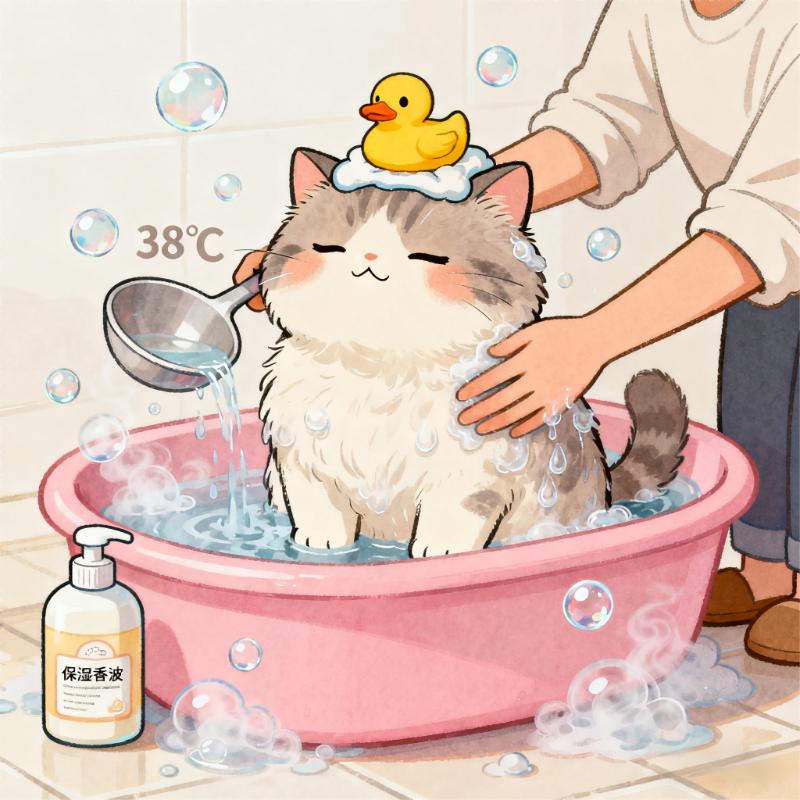
First, adjust bathing frequency reasonably. In winter, pets’ sebaceous glands secrete less oil. Frequent bathing can damage the skin’s oil protective layer, leading to dry fur and increased dandruff. It is recommended to bathe adult dogs and cats every 2-4 weeks, and extend it to 4-6 weeks for puppies and kittens. Use 38-40℃ warm water and pet-specific moisturizing shampoo when bathing. Dry your pet immediately with a hair dryer after washing, especially thick-furred areas like armpits and abdomen, to avoid catching cold or fungal growth.

Second, supplement nutrition to strengthen the coat. Healthy hair growth requires adequate nutrition. In addition to adding natural foods rich in Omega-3 and Omega-6 fatty acids (such as deep-sea fish, egg yolks, and flaxseed oil) to the daily diet— which help repair hair cuticles and make the coat smoother and shinier— you can also use pet-specific fish oil or coat-nourishing tablets as nutritional supplements. When choosing fish oil from regular brands, check the content of DHA and EPA, and feed it in quantities based on your pet’s weight to avoid overfeeding. For coat-nourishing tablets, add them according to the product instructions based on your pet’s age and coat condition; they assist in supplementing hair-nourishing ingredients like biotin and B vitamins, further enhancing skin resistance and reducing dryness and itching. At the same time, ensure sufficient intake of protein and basic vitamins to provide ample "raw materials" for coat growth.
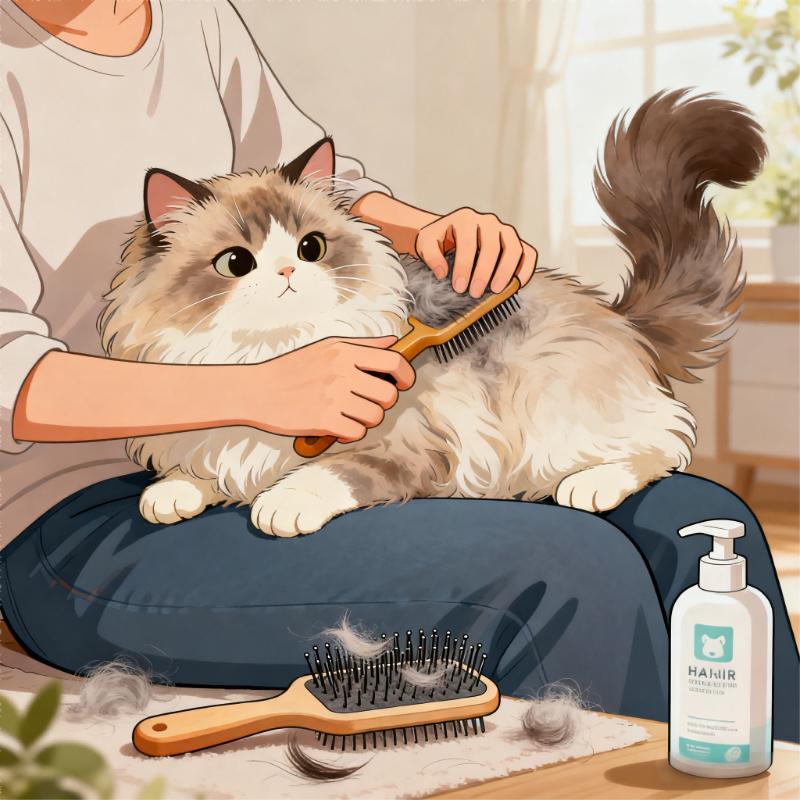
Third, regular brushing + moderate trimming. Pets’ coats naturally thicken in winter. Regular brushing can remove dead hair, prevent matting, and promote blood circulation. Brush short-haired pets 1-2 times a week and long-haired pets once a day with a pin brush or slicker brush gently. In addition, trim the overlong hair around the paw pads to avoid snow sticking and freezing; keep a certain length when trimming abdominal hair to balance warmth and cleanliness.
Finally, maintain environmental humidity and warmth. Indoor heating or air conditioning can cause dry air, which easily leads to pet skin dehydration and dry fur. Use a humidifier to maintain humidity between 50%-60%. Dress short-haired, small-sized, or elderly pets in warm clothes when going out, and avoid prolonged exposure to low temperatures. Wipe their paws and abdomen immediately after returning home to prevent residual ice and snow from irritating the skin.