Jan. 21, 2026
As temperatures drop, many cat owners wonder if their furry friends can withstand the chill. A cat’s cold tolerance depends largely on coat type, body size, and breed traits—some thrive in cool weather, while others need extra warmth. Animal behaviorists share insights to help owners protect their felines properly.
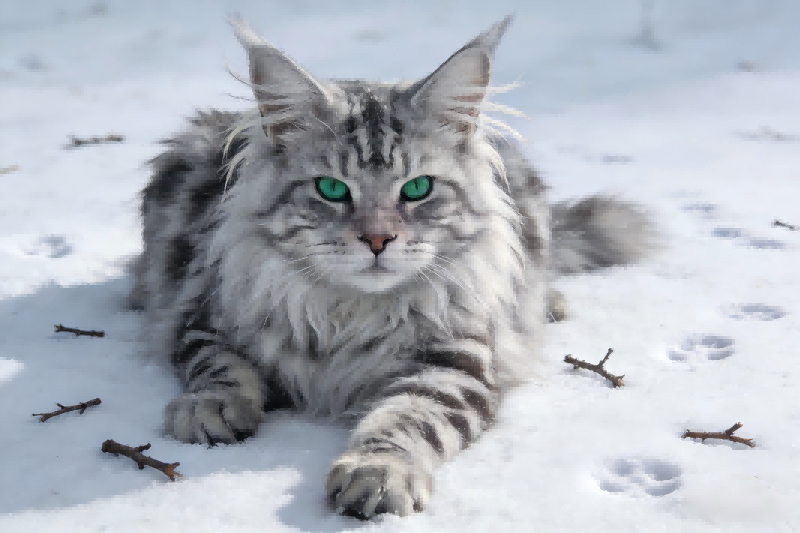
Breeds with thick, double coats and robust body types are natural cold fighters. Maine Coons, with their water-resistant fur and large build, originated in cold New England and handle low temperatures well. Norwegian Forest Cats, bred for Scandinavian winters, have dense undercoats and tufted paws for insulation. Siberian Cats also boast thick fur and strong physique, adapting to cool climates effortlessly.
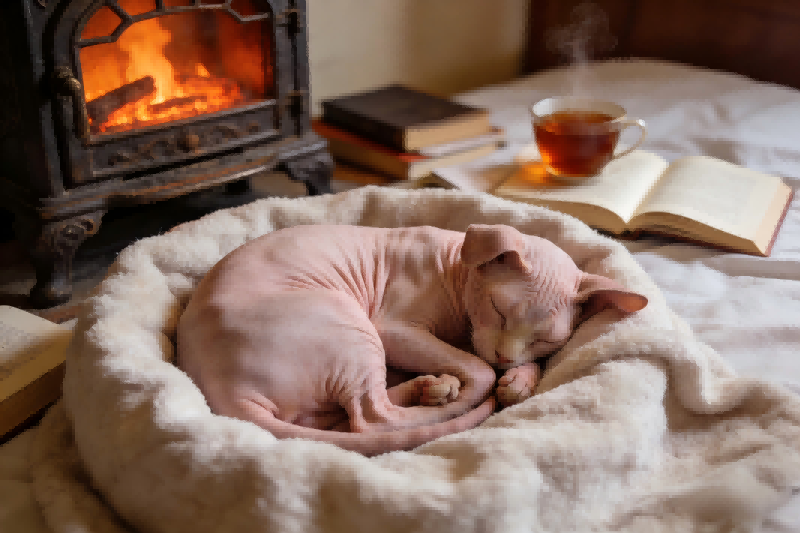
Short-haired, small-sized, or hairless breeds are vulnerable to the cold. Sphynx Cats, lacking fur, lose body heat rapidly and must stay indoors in warm environments. Devon Rex and Cornish Rex have thin, curly coats with little insulation. Even common short-haired breeds like Siamese, with lean bodies, feel the cold easily and need extra warmth.
Regardless of breed, kittens, senior cats, and those with health issues (like hypothyroidism) are less cold-tolerant. Provide warm beds away from drafts, avoid prolonged outdoor stays in cold weather, and offer extra food to help cats maintain body heat. Monitor for signs of hypothermia, such as shivering or lethargy.