Jan. 16, 2026
Many cat owners wonder if their quiet kittens are unusual, assuming that frequent meowing is a default feline behavior. However, a lack of excessive meowing is often normal and tied to multiple factors, from genetics to environment. Animal behaviorists note that silence in kittens is rarely a red flag—instead, it reflects their unique way of interacting with the world.
Breed plays a key role in a kitten’s vocal tendencies. Some breeds, like Siamese, are naturally chatty and use meows to communicate constantly. In contrast, breeds such as British Shorthairs, Persians, and Maine Coons are genetically predisposed to be quiet. Their ancestors relied more on body language than vocalizations in the wild, a trait passed down to modern kittens.
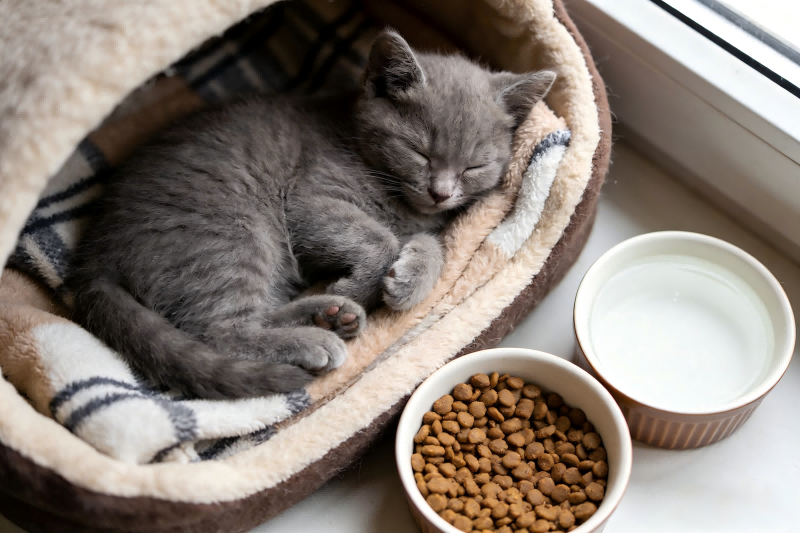
Just like humans, kittens have distinct personalities. Some are outgoing and vocal, while others are shy or independent. Quiet kittens may prefer observing their surroundings over vocalizing, or they might express needs through subtle cues—like rubbing against legs for attention or staring at an empty food bowl—instead of meowing.

A safe, stable home often leads to quieter kittens. Meowing is primarily a communication tool for cats to express distress, hunger, or fear. If a kitten feels secure, has access to food, water, and a cozy space, it has little reason to vocalize excessively. Kittens raised in calm households with consistent care are more likely to be silent.
While silence is usually normal, sudden changes—such as a previously vocal kitten stopping meowing entirely—may signal health issues like throat infections or dental pain. Owners should consult a vet if silence is accompanied by lethargy, loss of appetite, or difficulty eating.