Dec. 31, 2025
If you’re a dog owner, you’ve likely witnessed this charming (and sometimes messy) habit: your pup suddenly drops to the floor, wiggles their body side to side, and rolls around with sheer delight. Whether it’s on the living room carpet, a grassy backyard, or even a patch of cool concrete, rolling is a universal dog behavior—but what exactly drives it? Contrary to what some might think, it’s not just random mischief. Dogs roll on the floor for specific, instinctual reasons tied to their emotions, physical needs, and natural instincts. Let’s break down the key motivations behind this endearing quirk.
For many dogs, rolling on the floor is a clear sign of happiness. Think about the moment you walk through the door after a long day: your dog greets you with wagging tails, playful barks, and often a dramatic roll onto their back. This behavior is their way of celebrating—they’re so thrilled to see you that they can’t contain their excitement. Rolling exposes their belly, a vulnerable area, which also signals trust and comfort. It’s their version of saying, “I’m so happy you’re home, and I feel totally safe with you!” Puppies are especially prone to this joyful rolling, but adult dogs never outgrow the urge to express their delight through this playful movement.
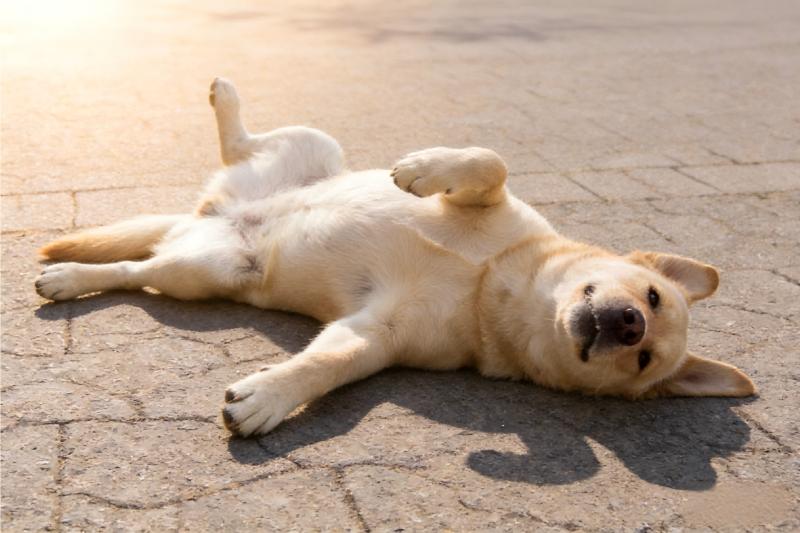
Another common reason dogs roll on the floor is to soothe an itchy or irritated coat. After a walk through grass, bushes, or dirt, your pup might pick up grass clippings, tiny bugs, pollen, or even fleas—all of which can tickle or irritate their skin. Rolling back and forth creates friction that scratches hard-to-reach spots (like their backs or sides) more effectively than pawing or licking. If you notice your dog rolling excessively, especially after outdoor time, check their fur for debris, ticks, or signs of skin irritation (redness, bumps, or flaking). Regular grooming, bathing (with pet-safe shampoo), and routine deworming/flea prevention can help address underlying causes and keep their skin comfortable.
Dogs don’t sweat like humans—they regulate their body temperature through panting and by seeking cool surfaces. On scorching summer days, rolling on cool floors (like tile, concrete, or shaded grass) is a smart way for dogs to lower their body heat. The cool surface absorbs warmth from their bodies, providing instant relief from the heat. If your dog is rolling excessively in hot weather, it’s their way of telling you they’re overheated. Be sure to offer them fresh water, a shaded spot to rest, or even a cool mat to lie on. Avoid letting them roll on hot pavement or asphalt, as these surfaces can burn their paw pads.
Rolling can also be a leftover instinct from dogs’ wild ancestors. In the wild, wolves and feral dogs roll on strong-smelling substances (like animal carcasses, mud, or plants) to mask their own scent—helping them hunt prey or avoid predators. Domestic dogs still retain this behavior: they might roll on a patch of grass with a strong odor, a pile of leaves, or even your dirty laundry to “claim” the scent as their own. It’s their way of interacting with their environment and leaving their mark (or adopting a new one!).
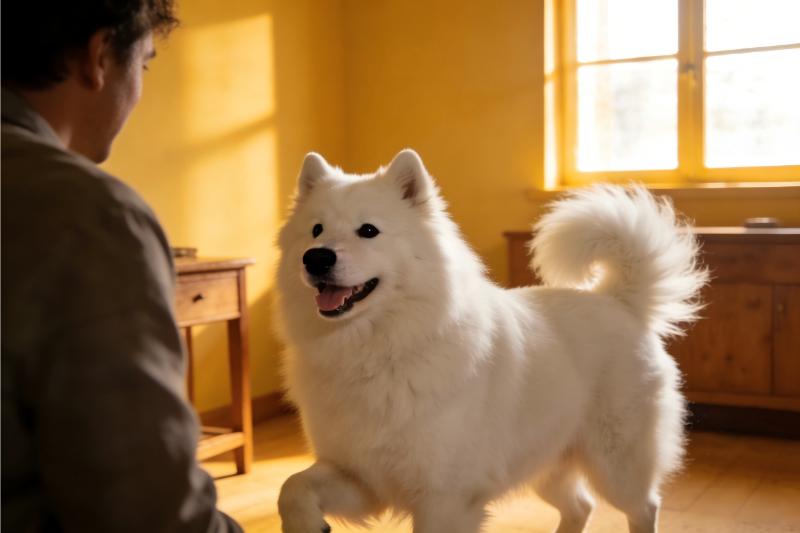
While rolling is usually harmless, excessive or compulsive rolling (paired with signs like scratching until bleeding, hair loss, or restlessness) could indicate an underlying issue—such as allergies, skin infections, or parasites. If you notice these red flags, consult your veterinarian to rule out health problems.
In most cases, though, rolling on the floor is just your dog’s way of being a dog—expressing joy, soothing discomfort, or following their natural instincts. Next time you catch your pup mid-roll, take a moment to appreciate the charm of this behavior. It’s a reminder of their playful, uncomplicated nature—and one of the many things that make dogs such beloved companions.