Apr. 22, 2026
As outdoor activity increases for pets, tick bites have become a common and dangerous problem. Many owners panic when they find a tick embedded in their dog or cat, unsure whether to remove the tick immediately or start deworming right away. At WERVIC, our veterinary experts provide a clear, step-by-step guide to safely handle tick bites and prevent serious diseases.
The first and most important rule is: always remove the tick first, then proceed with deworming and monitoring.Ticks act as vectors for life-threatening diseases such as ehrlichiosis, babesiosis, and Lyme disease. Leaving a tick embedded allows continuous transmission of pathogens into the pet’s bloodstream, so prompt removal is critical.
Safe Tick Removal Steps
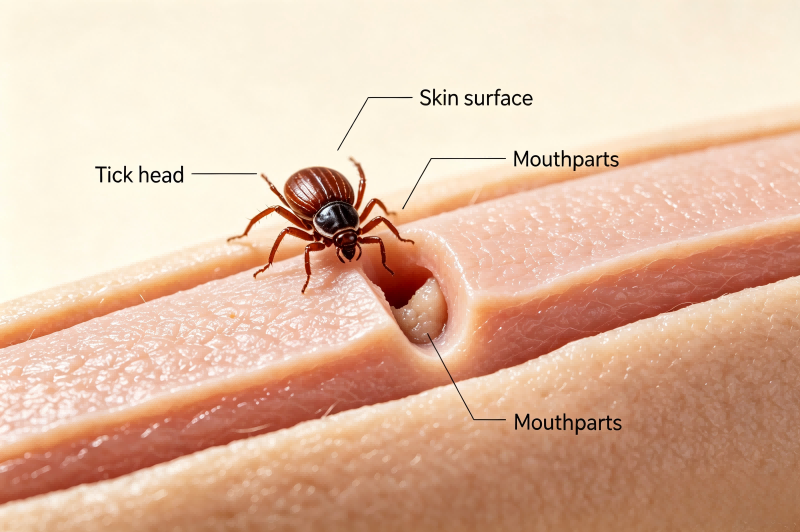
Use fine-tipped tweezers to grasp the tick as close to the skin’s surface as possible.
Pull upward gently and steadily, without twisting or squeezing the body.
Do NOT use alcohol, fire, or petroleum jelly, as these may cause the tick to regurgitate into the wound.
Clean the bite area with pet-safe disinfectant and wash your hands thoroughly.
Save the tick in a sealed container in case further veterinary testing is needed.
After Removal: Deworming & Monitoring
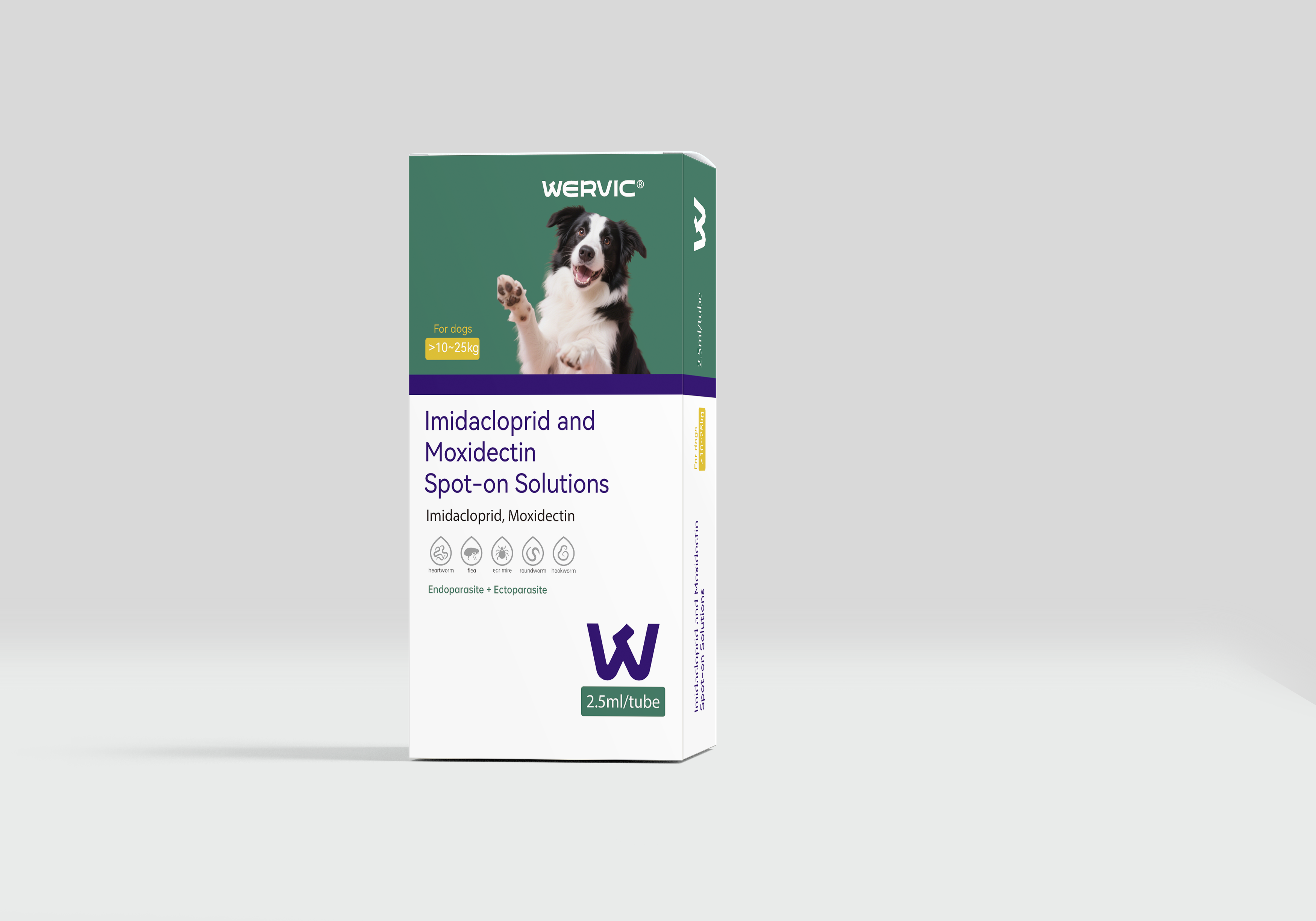
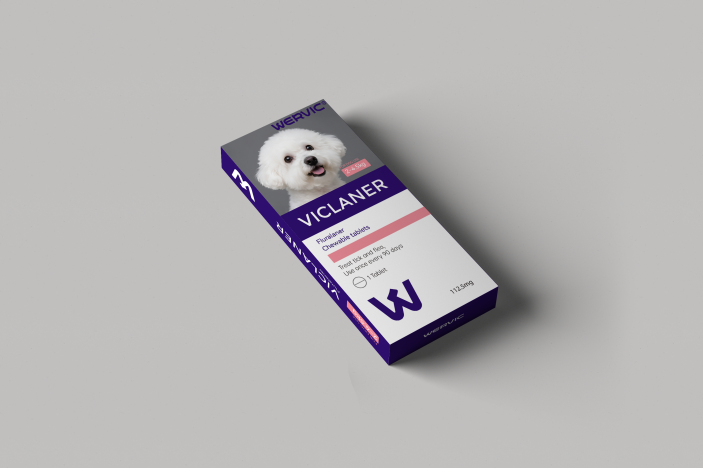
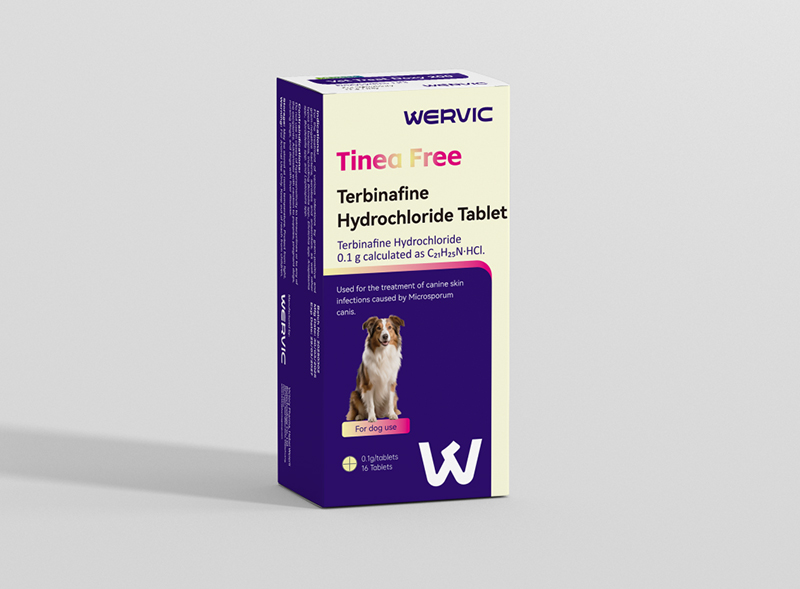
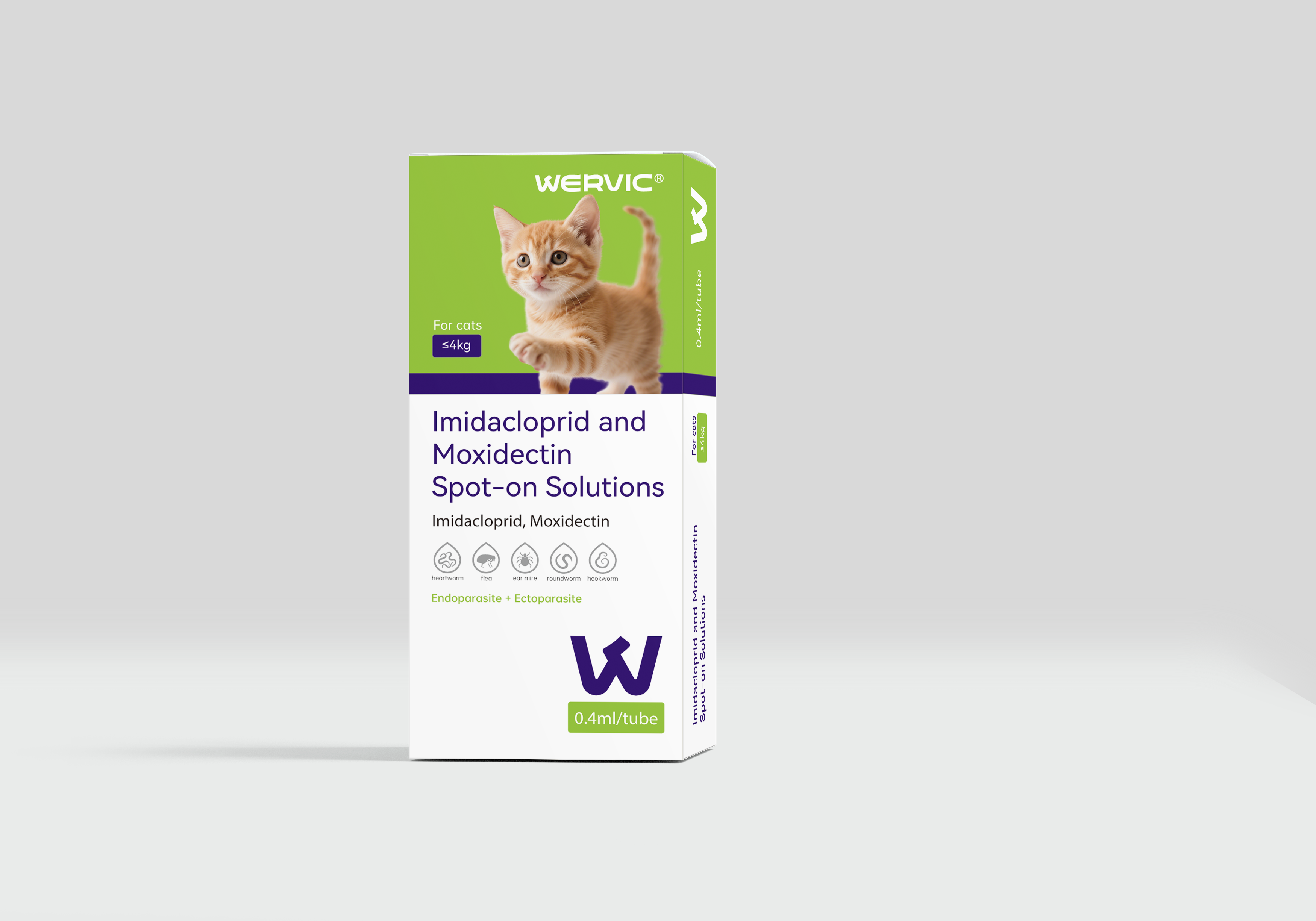
Once the tick is removed, administer a broad-spectrum parasiticide recommended by your veterinarian.WERVIC advises using products effective against ticks and tick-borne pathogens, rather than basic dewormers alone.Monitor your pet for the next 2–3 weeks for symptoms such as lethargy, loss of appetite, fever, lameness, or skin inflammation.
Key WERVIC Reminder
Never delay tick removal to “wait for deworming.” Early removal reduces disease risk significantly.Combining immediate removal with professional tick prevention products offers the strongest protection.