Jan. 16, 2026
The gastrointestinal tract is not only a key organ for cats to digest nutrients but also a vital part of their immune system. However, many cat owners overlook gastrointestinal care, leading to common issues like vomiting, diarrhea, and poor appetite. Animal nutritionists emphasize that proper gastrointestinal maintenance is essential for cats’ long-term health and quality of life.
Why Gastrointestinal Health Matters
Cats’ digestive systems are delicate, designed for high-protein, low-carbohydrate diets. A healthy gut absorbs essential nutrients, supports immune function, and maintains normal flora balance. Conversely, gut disorders can cause malnutrition, weight loss, and even chronic diseases like inflammatory bowel disease, severely impacting a cat’s well-being.
Common Triggers of Gastrointestinal Issues
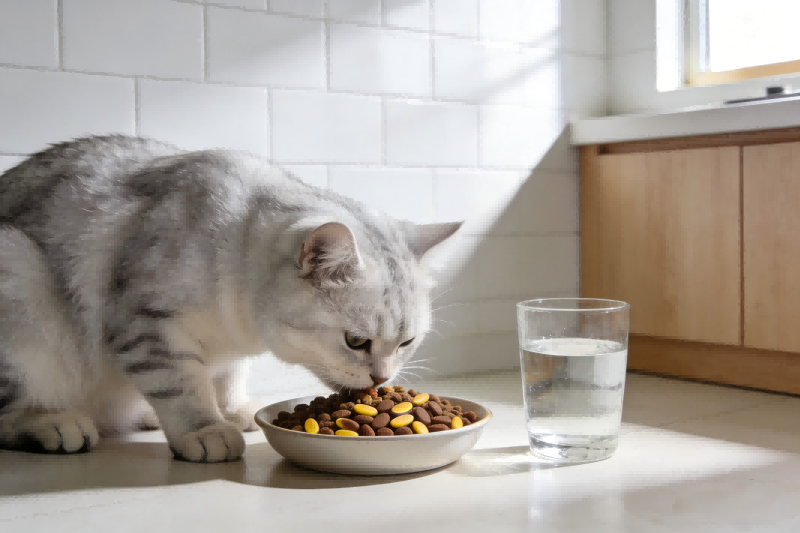
Sudden diet changes, low-quality food, overeating, and ingesting foreign objects are major culprits. Stress from moving or new pets can also disrupt gut flora. Kittens and senior cats are more susceptible, as their digestive systems are either developing or declining. Even occasional mild diarrhea may signal underlying gut imbalance.
Science-Backed Care Tips
Gradually transition to new food over 7-10 days to avoid irritation. Choose high-quality, species-appropriate cat food with probiotics to support gut flora. Control portion sizes and avoid human food, especially spicy or fatty items. Ensure clean water intake and regular exercise to promote digestion.
When to Consult a Vet
Seek medical attention if cats have persistent vomiting, bloody diarrhea, lethargy, or loss of appetite for over 24 hours. Timely diagnosis and treatment can prevent minor issues from evolving into life-threatening conditions.