Jan. 21, 2026
Body odor in pets is a common concern for owners, but few know that it’s closely linked to their physiology, breed, and care habits. Veterinarians explain that while both dogs and cats have natural scents, their odor intensity and causes differ significantly, and proper care can keep unwanted smells at bay.
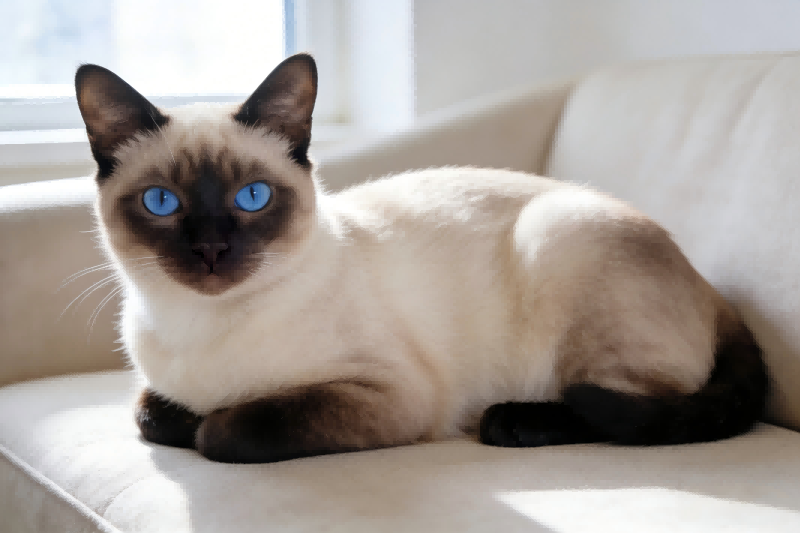
Cats are naturally low-odor pets due to their grooming habits—they secrete sebum that keeps fur clean and odorless. Most cat breeds have minimal body smell, except for unneutered males, whose strong urine odor marks territory. Dogs, however, have more sweat glands in paw pads and anal sacs, making them prone to stronger odors, especially breeds with thick, oily coats.
For dogs, Basset Hounds, Cocker Spaniels, and Bulldogs are odor-prone due to oily fur or skin folds. In contrast, Poodles, Basenjis, and Whippets have low odor. For cats, Sphynx (due to skin oil secretion) and unneutered male cats may have mild odors, while Siamese, British Shorthairs, and Maine Coons are nearly odorless with regular grooming.
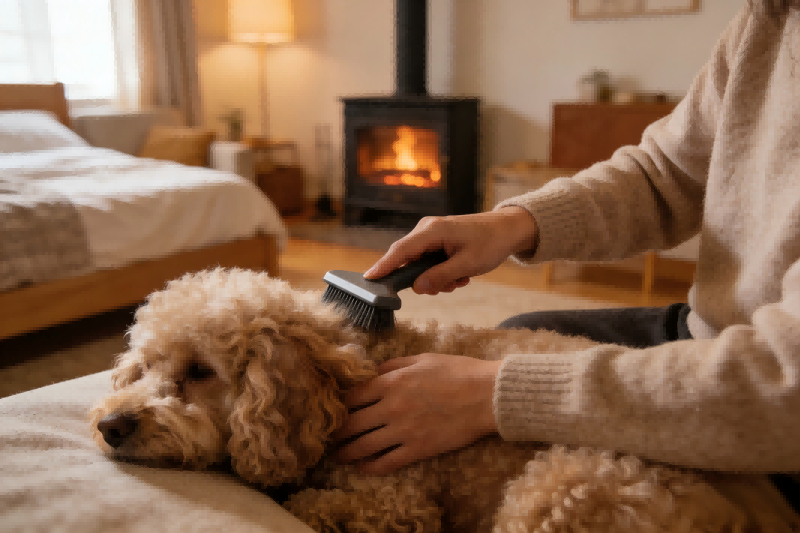
Regular grooming (brushing 2-3 times a week, monthly bathing for dogs) removes excess fur and oil. Clean ears, teeth, and anal sacs (for dogs) prevent odor buildup. A high-quality diet reduces digestive-related odors, and keeping litter boxes/crates clean is essential. Persistent strong odors may signal skin infections or dental issues, requiring vet checks.