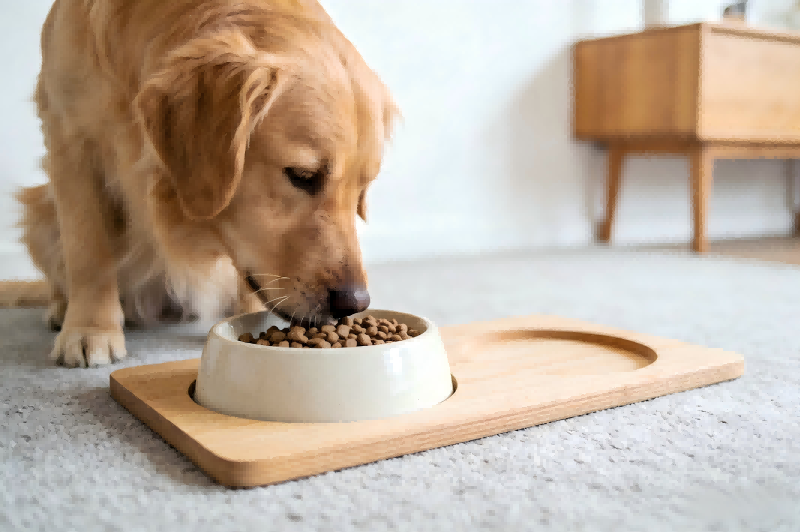
Pregnancy places extreme nutritional demands on dogs and cats. Improper supplementation can lead to birth defects, weak litters, bone disorders, or maternal health complications. At WERVIC, our veterinary nutritionists provide a science-based, precisely dosed guide to folic acid, calcium, and protein for pregnant pets.
1. Protein: The Foundation of Fetal Development
Protein is critical for tissue growth, organ formation, and milk production.
- Dogs: 25–30% of daily diet during pregnancy; 30–35% during lactation.
- Cats: 30–35% during pregnancy; up to 40% during lactation.Focus on high-quality animal protein: chicken, fish, egg, and liver. Low protein causes stunted fetal growth and insufficient milk.
2. Calcium: Vital but Dangerous in Excess
Calcium supports skeletal development and prevents maternal eclampsia (milk fever).
- Safe daily dose: 100–120 mg per kg body weight for dogs; 80–100 mg per kg for cats.
- Do NOT supplement extra calcium unless prescribed by a vet.Over-supplementation causes skeletal deformities in puppies/kittens and increases maternal organ strain. Most premium pregnancy diets already contain balanced calcium.
3. Folic Acid: Prevent Neural Tube Defects
Folic acid (vitamin B9) reduces the risk of spinal and neurological birth defects.
- Precise dose: 400–500 mcg per day for medium-sized dogs; 200–300 mcg for cats.Supplement only in the first 4–6 weeks of pregnancy, when fetal neural development occurs. Afterward, continue via balanced diet only.
WERVIC Key Supplementation Rules
- Do NOT use human supplements — dosages are unsafe for pets.
- Avoid unregulated multivitamins; excess vitamin A & D are toxic.
- Feed veterinary-approved pregnancy/lactation diets to avoid imbalance.
- Consult a vet before adding any supplements.
At WERVIC, we believe precise, science-backed nutrition ensures strong, healthy litters and safe motherhood. Proper balance is far more important than over-supplementation.