For pet industry professionals, understanding feline behavior isn’t just about cute moments—it’s a strategic lever to optimize product design, enhance vet-client communication, and drive retail sales.
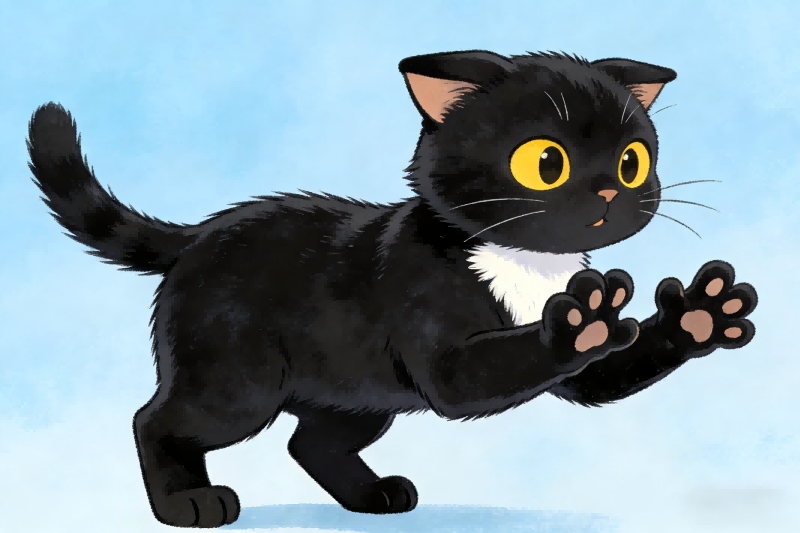
When a kitten wants to play, it sends clear, instinct-driven signals that many pet parents misinterpret as “misbehavior”. These cues are rooted in their natural hunting instincts, and decoding them unlocks opportunities for B2B stakeholders to create targeted solutions:
- The Stalk & Pounce Pose: Crouching low, tail twitching rapidly, eyes fixed on your hand or a toy—this is an open invitation to interactive play. Ideal for marketing wand toys, feather teasers, and other hunting-simulating products.
- Toy Offering: Carrying a favorite toy to your feet and dropping it? It’s a kitten’s way of sharing fun. A key insight for retailers to promote toy bundles and encourage repeat purchases.
- Gentle Nudges or Bites: Lightly nipping your ankle or batting your laptop? It’s a plea for attention. Vet clinics can use this cue to educate clients on the importance of daily play for reducing stress-related behaviors.
- Vocal Chirps: Short, high-pitched meows specifically for playtime—distinct from hunger or distress calls. A data point for pet tech brands designing interactive toys with sound-activated features.
For B2B partners, these cues translate to tangible value:
- Product Developers: Engineer toys that mimic prey movements to match kittens’ play instincts.
- Vet Practices: Integrate play behavior assessments into wellness checkups to advise clients on behavioral health.
- Retailers: Curate “playtime essential” kits and display them with educational signage explaining these cues.
Are you leveraging feline behavior insights to refine your pet product or service offerings? Share your strategies in the comments, or DM us to explore collaborative solutions for the growing cat care market.