June marks the official arrival of hot, humid summer, the peak outbreak period of fleas, ticks, intestinal parasites, skin diseases and heat stress. Countless pet owners fall into common care traps due to wrong deworming cycles, improper nutritional supplementation and unscientific daily management. WERVIC sorts out all core summer care points from parasite prevention, nutritional matching to daily cooling, helping owners avoid risks comprehensively.
Part 1: Summer Deworming — Avoid 3 Typical Mistakes
- Pitfall 1: Keep deworming every 3 months as in winter June high humidity accelerates parasite egg hatching. Outdoor, rural and multi-pet families need monthly external deworming, internal deworming every 4–6 weeks, and choose broad-spectrum integrated internal-external dewormers.
- Pitfall 2: Bathe within 48 hours after applying topical drops Sebaceous glands need 48 hours to fully absorb the drug; early bathing washes away skin lipid layers and greatly reduces efficacy.
- Pitfall 3: Ignore environmental disinfection after deworming Flea eggs survive in carpets and cat litters. Clean pet bedding with hot water weekly to cut off parasite life cycles.
Part 2: Summer Nutrition — Correct Supplement Matching & Taboos
- Must-have supplements
- Multivitamin tablets: Fix summer appetite loss and nutrient deficiency
- Compound probiotics: Relieve stress diarrhea and protect intestinal immunity
- Fish oil: Reduce skin inflammation caused by high temperature, relieve shedding
- Unnecessary over-supplementation Extra calcium, high-protein tonics are forbidden in hot weather; excess nutrients cause heat symptoms, loss of appetite and kidney burden.
- Feeding rule: Offer small frequent meals, discard leftover wet food within 30 minutes to prevent mold and gastroenteritis. Always supply unlimited fresh cold water.
Part 3: Daily Summer Care Hidden Traps
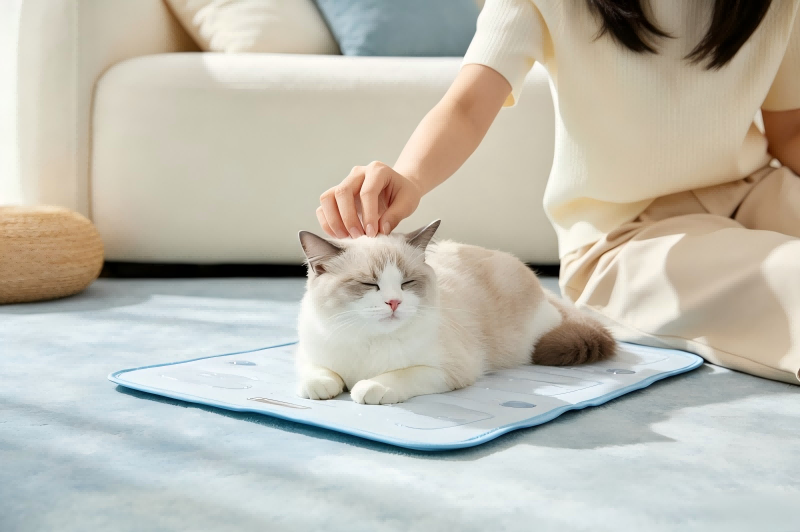
- Cooling trap: Set air conditioner below 26℃ Large temperature difference triggers colds and reduces immunity; prepare soft cooling mats to avoid stiff joints from cold floors.
- Walking trap: Take pets out at noon Scalded paw pads and heatstroke risk; arrange outdoor activities only before sunrise or after sunset.
- Grooming trap: Shave hair completely Coat acts as natural heat insulation; only trim overlong hair instead of full shaving to prevent sunburn.
WERVIC Final Reminder
Observe pet physical signals daily: frequent scratching, soft stool, lethargy and poor appetite are early warnings of low immunity or parasite infection. Combine regular deworming with targeted nutritional supplements to build a full summer health defense line for dogs and cats.