Feb. 06, 2026
External deworming is a crucial part of feline health care, but many owners are confused about the correct frequency. Veterinarians emphasize that there is no one-size-fits-all answer—it depends on your cat’s living environment, lifestyle, and age. This guide clarifies the key factors to help you establish a scientific deworming routine.
Indoor Cats: Basic Frequency
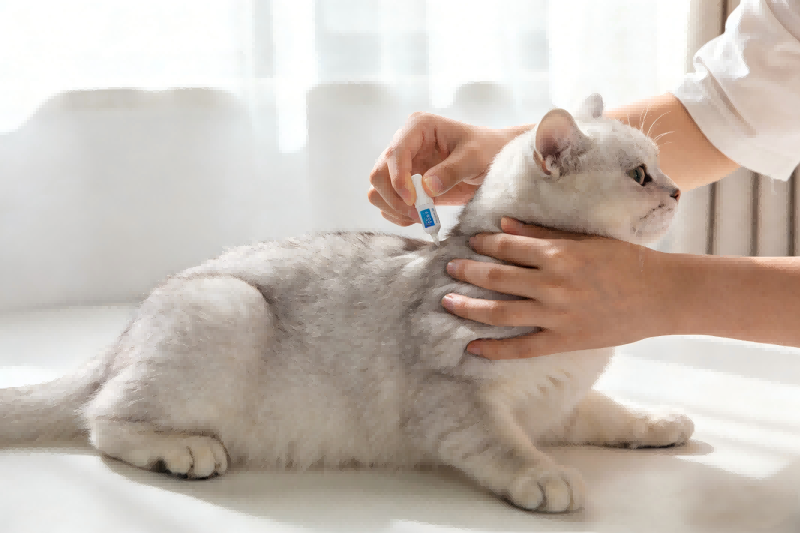
Cats that never go outdoors have a lower risk of parasite exposure. For healthy adult indoor cats, external deworming every 3 months (90 days) is sufficient. However, if they often come into contact with other pets, or if you frequently bring outdoor items home, it’s recommended to shorten the interval to every 2 months to avoid cross-infection.
Outdoor/Active Cats: Higher Frequency
Cats that go out regularly—roaming yards, interacting with stray animals, or hunting—are at high risk of picking up fleas, ticks, and mites. For these cats, monthly external deworming is necessary. Ticks and fleas are most active in warm seasons, so never skip deworming during spring and summer.
Special Cats: Adjusted Routine
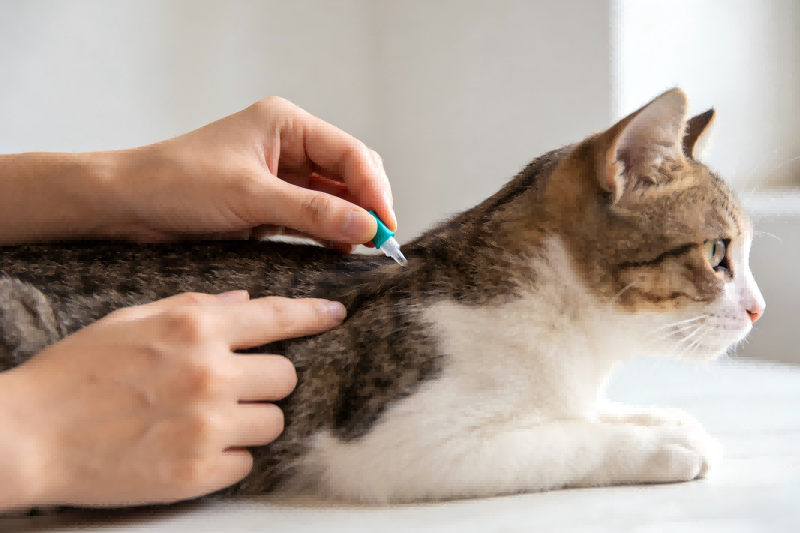
Kittens (over 6 weeks old) need monthly external deworming until they are 6 months old, then switch to the adult routine. Senior cats or those with weak immunity should follow the vet’s advice, usually every 2-3 months. Pregnant or lactating cats must use dewormers safe for kittens, with frequency guided by a professional.
Remember: Choose cat-specific external dewormers and follow weight-based dosing. Regular deworming not only protects your cat but also keeps your family away from parasite-related health risks.