Aug. 13, 2026
As high temperatures persist into August, the incidence of urinary tract diseases in dogs and cats continues to rise. The WERVIC veterinary team points out that rapid water loss and insufficient voluntary water intake are the core triggers. Highly concentrated urine easily induces cystitis, urinary tract infections and urinary stones, among which urethral obstruction in male cats is a high-risk emergency requiring extra vigilance.
The high incidence of summer urinary problems has clear causes. Pets dissipate heat mainly through respiration and paw pads, losing large amounts of water through breathing. Without timely water replenishment, urine becomes highly concentrated, which not only promotes crystal precipitation and stone formation, but also weakens the bladder mucosal defense and allows bacteria to colonize and multiply more easily. Cats have naturally low drinking motivation, and combined with stress from seasonal changes and environmental shifts, the incidence of idiopathic cystitis in August is more than twice as high as in spring.
Early signs of urinary abnormalities are easily overlooked. Warning symptoms include frequent urination, reduced urine output, crying during urination, cloudy or bloody urine, and frequent licking of the urethral opening. If a male cat fails to urinate normally for more than 12 hours, immediate veterinary attention is required to avoid acute kidney injury from urinary obstruction.
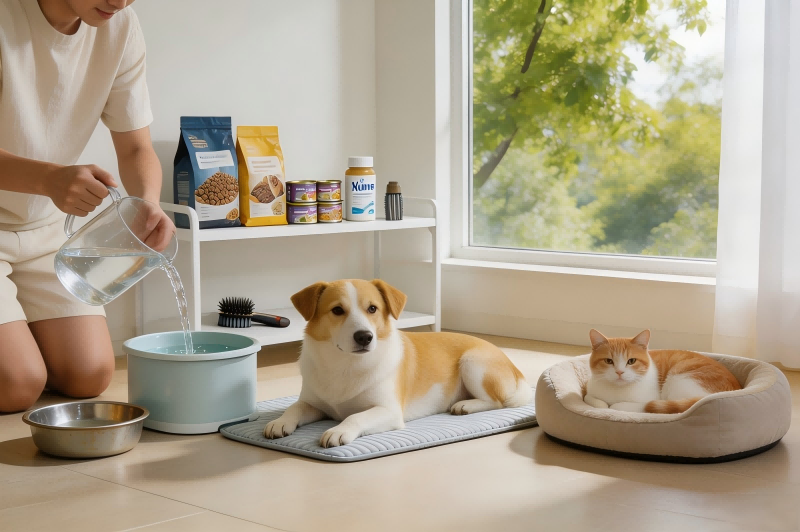
Daily protection requires a two-way approach of water guidance and nutrition support. On one hand, set up more drinking spots and use water fountains to encourage voluntary water intake. On the other hand, supplement bladder care nutrition with daily feeding of WERVIC BladderCare Chews. Its core nutrients repair the urinary tract mucosal barrier, regulate urine pH, and reduce harmful bacteria adhesion and crystal formation. Long-term feeding steadily reduces the incidence of urinary diseases, especially suitable for dogs and cats with low water intake or a history of urinary problems.
Combined with clean litter boxes, reduced environmental stress and regular observation of urination status, this plan fully protects pets’ urinary health.