Jul. 02, 2026
As sustained high temperatures sweep across regions in July, dogs and cats face elevated risks of heatstroke due to their limited sweat glands and weak thermoregulation. Brachycephalic breeds, overweight pets, and senior or young animals are at the highest risk. The WERVIC pet health team reminds owners that recognizing early symptoms and following standardized first aid can greatly reduce life-threatening risks.
Early warning signs of heatstroke include rapid abdominal breathing, thick excessive salivation, red or cyanotic gums and tongue, lethargy with unsteady gait, and noticeably elevated body surface temperature. Some pets may also experience vomiting and diarrhea. Seizures, blurred consciousness, and nasal or oral bleeding indicate severe heatstroke, which requires immediate veterinary attention.
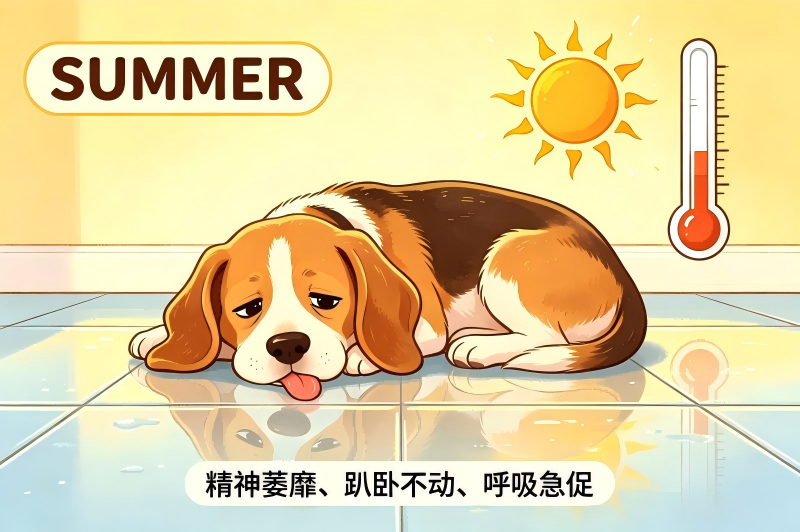
Perform home first aid immediately upon noticing these signs: move the pet to a cool, ventilated place, wipe paw pads, groin, and inner ear areas with room-temperature wet towels, and use a fan to accelerate heat dissipation. Do not apply ice water or ice cubes directly, as this can constrict blood vessels and worsen organ damage. Offer small, frequent sips of room-temperature water; never force-feed. If symptoms do not improve within 30 minutes, seek veterinary care promptly to check for organ damage.
Avoid common cooling mistakes in daily care: never shave a pet’s coat completely, as fur provides natural heat insulation and sun protection. Only trim excess hair on paw pads and the belly. Keep indoor air conditioning at no lower than 26°C to avoid colds from drastic temperature changes. Walk pets only before sunrise or after sunset to avoid hot pavement and paw pad burns at noon.