Mar. 10, 2026
The global pet dewormer market is experiencing significant evolution, with an anticipated growth rate of 8.5% CAGR from 2021 to 2028, reflecting an increasing awareness among pet owners about the health of their animals. Pet owners frequently face challenges such as rising parasite resistance and the need for more effective deworming solutions. According to a report by Grand View Research, the growing trend towards preventive healthcare is compelling manufacturers to innovate and prioritize efficacy in their product lines.
The key drivers for growth in the pet dewormer market include advancements in formulation technologies and an increasing focus on natural and organic products. For example, the inclination towards pet wellness has led to a surge in demand for dewormers made from plant-based ingredients, which have shown approximately 65% efficacy rates against common parasites, according to a study published in the National Center for Biotechnology Information. Additionally, the integration of technology in veterinary care, such as digital diagnostics, supports the development and delivery of more effective treatments.
Recent trends indicate a 40% increase in consumer preference for natural dewormers, driven by increasing health-conscious pet owners. Products formulated with organic herbs and essential oils are gaining popularity due to perceived safety benefits.
Smart packaging technology, such as moisture-sensitive sachets, is projected to reduce waste by over 30%. This innovation ensures that doses are accurate, leading to a better understanding of administration guidelines for pet owners.
Regulatory bodies like the FDA are tightening guidelines on pet medications, which is pushing manufacturers to improve product formulations. A recent report from the FDA highlights a 25% increase in compliance-related inquiries regarding pet dewormers.
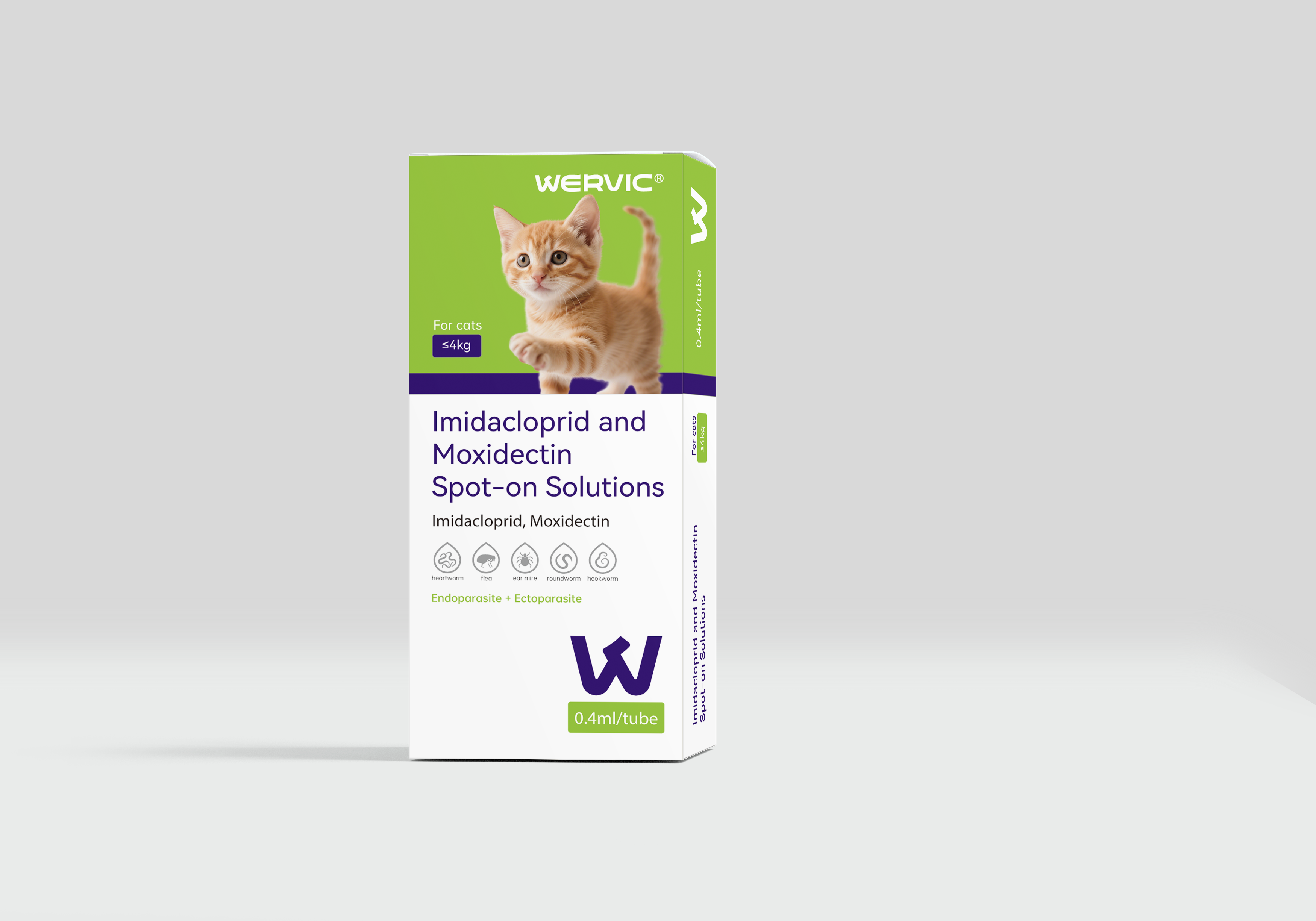
E-commerce sales of pet dewormers are projected to grow 20% annually. This shift allows manufacturers like WERVIC to reach consumers directly, providing educational resources about parasite control and encouraging proactive pet health management.
The evolution of the pet dewormer market significantly impacts buyers by providing them with a wider selection of products that are effective, safe, and aligned with their values concerning pet health. With the increasing availability of data-driven solutions, pet owners can make informed decisions regarding their pets’ health. This is critical as roughly 30% of household pets are affected by parasites each year, demonstrating the urgency for effective deworming products.
Key factors include product efficacy, compliance with regulatory standards, marketing strategies, and the ability to adapt to consumer preferences.
Pet owners should consult their veterinarians, consider the specific parasites that affect their region, and look for products with proven efficacy and safety records.
The pet dewormer market is expected to continue growing due to rising pet ownership, increased awareness of pet health, and the development of more effective, convenient, and safe deworming solutions.