Jul. 08, 2026
As hot and humid weather persists in July, combined with drastic indoor-outdoor temperature differences, acute gastroenteritis in dogs and cats reaches its annual peak. The WERVIC veterinary team points out that over 70% of summer gastroenteritis cases are caused by two major triggers: food spoilage and air-conditioning-induced chill. Mild cases present with soft stool and vomiting, while severe cases can lead to dehydration and electrolyte imbalance, with higher risks for young and senior pets.
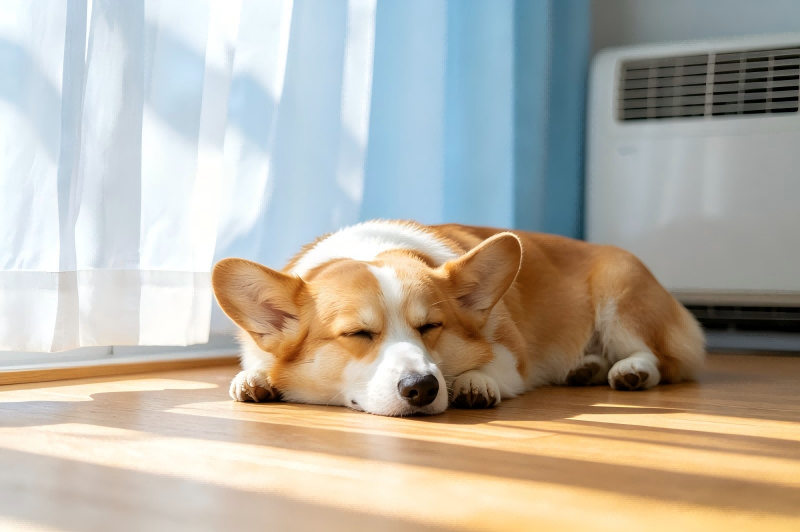
Food spoilage is the top summer trigger. In high temperatures, wet food, raw meat and open-stored kibble easily breed salmonella and Escherichia coli, causing vomiting and watery diarrhea within hours after ingestion. Many owners leave food out all day or fail to clean food bowls promptly, which further accelerates bacterial growth. Air-conditioning chill is the second leading cause. Overly low indoor temperatures, direct cold airflow, and frequent shifts between air-conditioned rooms and outdoor heat trigger gastrointestinal smooth muscle spasm and digestive disorder, leading to stress diarrhea and reduced appetite.
Scientific prevention covers three key points. First, standardize feeding routines: serve wet food fresh and remove leftovers within 30 minutes, and clean food and water bowls daily. Second, control room temperature reasonably: set air conditioning no lower than 26°C and avoid pets lying on cold floors for long periods. Third, support intestinal health in advance with WERVIC Probiotic-Vita Paste. Its high-activity probiotics regulate intestinal flora balance, repair intestinal mucosa, relieve gastrointestinal discomfort caused by temperature differences and dietary irritation, and enhance intestinal resistance.
If pets show persistent vomiting, bloody stool or lethargy, seek veterinary attention immediately to rule out acute infection.