Oct. 14, 2026
As temperatures continue to drop and day-night temperature differences widen significantly in autumn and winter, combined with multiple factors such as direct cold airflow and seasonal stress, gastrointestinal sensitivity in dogs and cats enters its annual peak period. Soft stool, intermittent diarrhea and reduced appetite are common concerns for pet owners. The WERVIC veterinary team points out that autumn and winter gastrointestinal discomfort is mostly caused by the combined effect of temperature stimulation and flora disorder. A staged plan of "emergency relief + long-term conditioning" can quickly relieve symptoms and rebuild gastrointestinal stability.
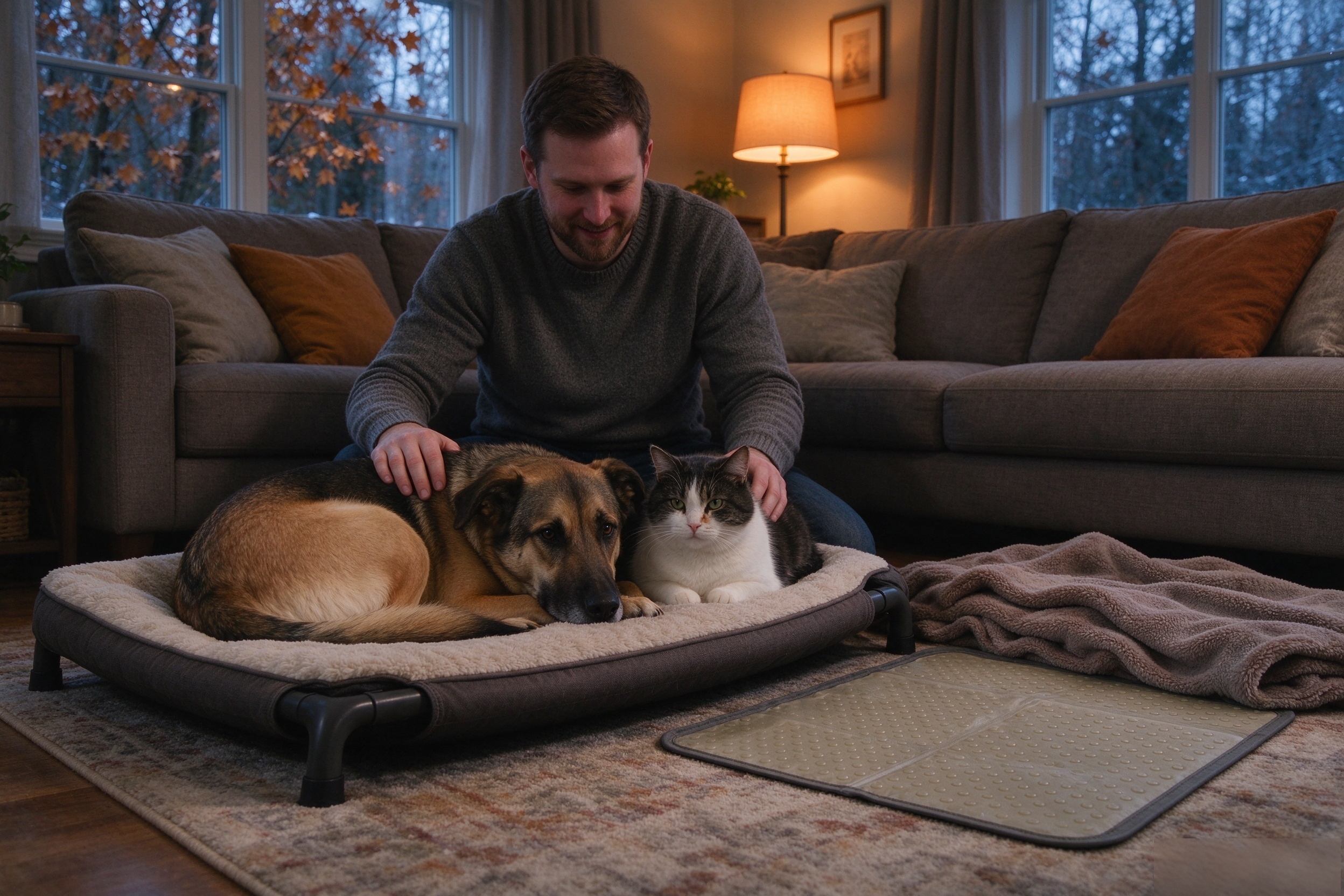
There are two core triggers for high incidence of gastrointestinal sensitivity in autumn and winter. First, cold stimulation: abdominal chill causes gastrointestinal smooth muscle spasm and reduced digestive enzyme secretion, weakening digestive function and easily leading to soft stool and abdominal pain. Second, flora disorder: stress from seasonal environmental changes and temperature fluctuations disrupts intestinal flora balance and lowers intestinal barrier defense, ranging from mild soft stool and diarrhea to acute gastroenteritis in severe cases. Young pets, senior pets and individuals with sensitive digestion face higher risks.
The scientific staged conditioning plan balances rapid relief and long-term consolidation. Stage 1 – Emergency relief: when soft stool or mild diarrhea occurs, administer WERVIC GastroEase to quickly soothe gastrointestinal smooth muscle spasm, reduce intestinal mucosal inflammation, and relieve diarrhea and abdominal pain. Stage 2 – Flora reconstruction: paired with WERVIC Probiotic-Vita Paste, highly active probiotics colonize the intestine, replenish beneficial bacteria, repair damaged intestinal mucosa, rebuild flora balance, and fundamentally improve gastrointestinal tolerance. Stage 3 – Consolidation and protection: continue feeding the probiotic paste for 1–2 weeks after symptoms disappear to stabilize the intestinal barrier and reduce the recurrence rate of seasonal gastrointestinal sensitivity.
Combined with daily measures such as abdominal warmth preservation, regular fixed-amount feeding and avoiding sudden diet changes, this plan helps pets smoothly pass the peak period of gastrointestinal sensitivity.