Oct. 05, 2026
As late autumn arrives with continuously dropping temperatures and significantly wider day-night temperature differences, degenerative joint problems in senior dogs enter their annual peak and exacerbation period. The WERVIC veterinary rehabilitation team points out that low-temperature stimulation causes vasoconstriction around joints and poor blood circulation, worsening synovial inflammatory reactions in the joint cavity. Many senior dogs show symptoms such as stiffness when rising, lameness, reluctance to walk, and pain on touch. A scientific tiered plan of "long-term nutritional care + standardized acute analgesia" can effectively relieve discomfort, slow joint degeneration, and keep senior dogs comfortable through winter.
There are multiple triggers for worsening joint problems in late autumn. First, persistent cold stimulation of the joint synovium increases inflammatory factor activity and significantly intensifies pain. Second, reduced activity in autumn leads to decreased leg muscle strength, weakening support and cushioning for joints. Third, large humidity fluctuations in late autumn also aggravate joint soreness and stiffness, severely affecting quality of life for senior dogs. Long-term neglect can lead to progressive cartilage wear and even mobility impairment.
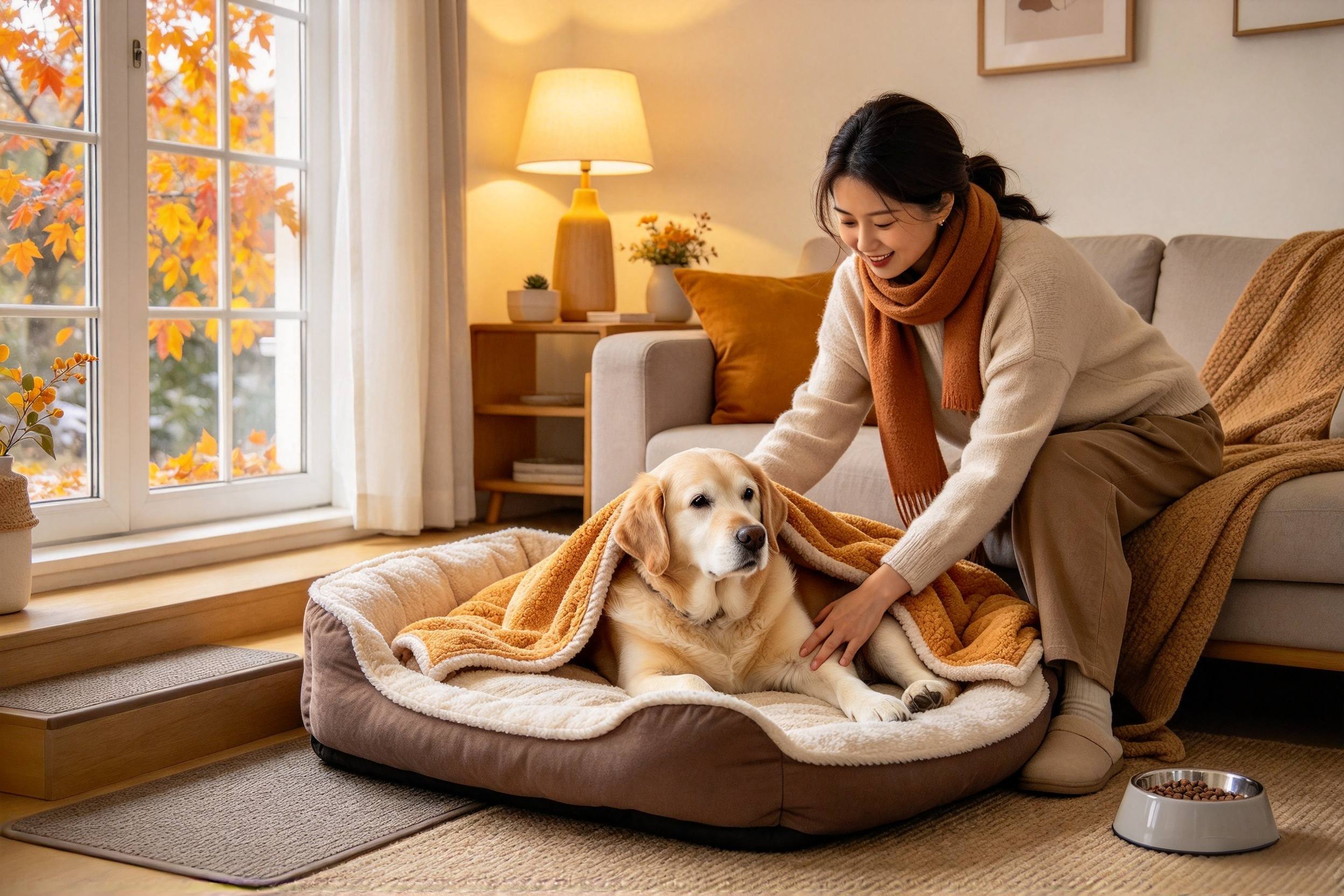
Scientific tiered care precisely matches different stages. For daily basic care: for elderly dogs with no obvious symptoms or mild symptoms, feed WERVIC BoneLive Chews daily to supply core joint nutrients such as glucosamine and chondroitin, lubricate the joint cavity, and continuously repair cartilage wear. Paired with daily gentle walks, it maintains muscle strength and joint mobility. For acute relief: if obvious pain and worsening lameness occur, WERVIC Carprofen Tablets should be used under veterinary guidance to quickly reduce inflammation and relieve acute pain, followed by long-term consolidation with joint nutrition chews.
Combined with daily measures such as thickened bedding for joint warmth, avoiding frequent stair climbing, and placing anti-slip mats to reduce joint stress, this plan greatly reduces late autumn joint discomfort and improves the quality of life for senior dogs in autumn and winter.