Apr. 13, 2026
First Step After Adopting a Stray Pet: Deworming Process & Medication Selection Guide
Adopting a stray dog or cat is a kind and responsible choice, but these animals almost always carry parasites due to long-term exposure to unsanitary environments. At WERVIC, our veterinary team emphasizes that deworming should be the very first step after adoption, before introducing the pet to other animals or family members.
Stray pets commonly carry fleas, ticks, roundworms, hookworms, tapeworms, and even ear mites. Some parasites can also spread to humans, making immediate treatment critical.
Recommended Deworming Process for Rescued Pets
Isolate firstKeep the newly adopted pet in a separate, easy-to-clean space to avoid cross-infestation.
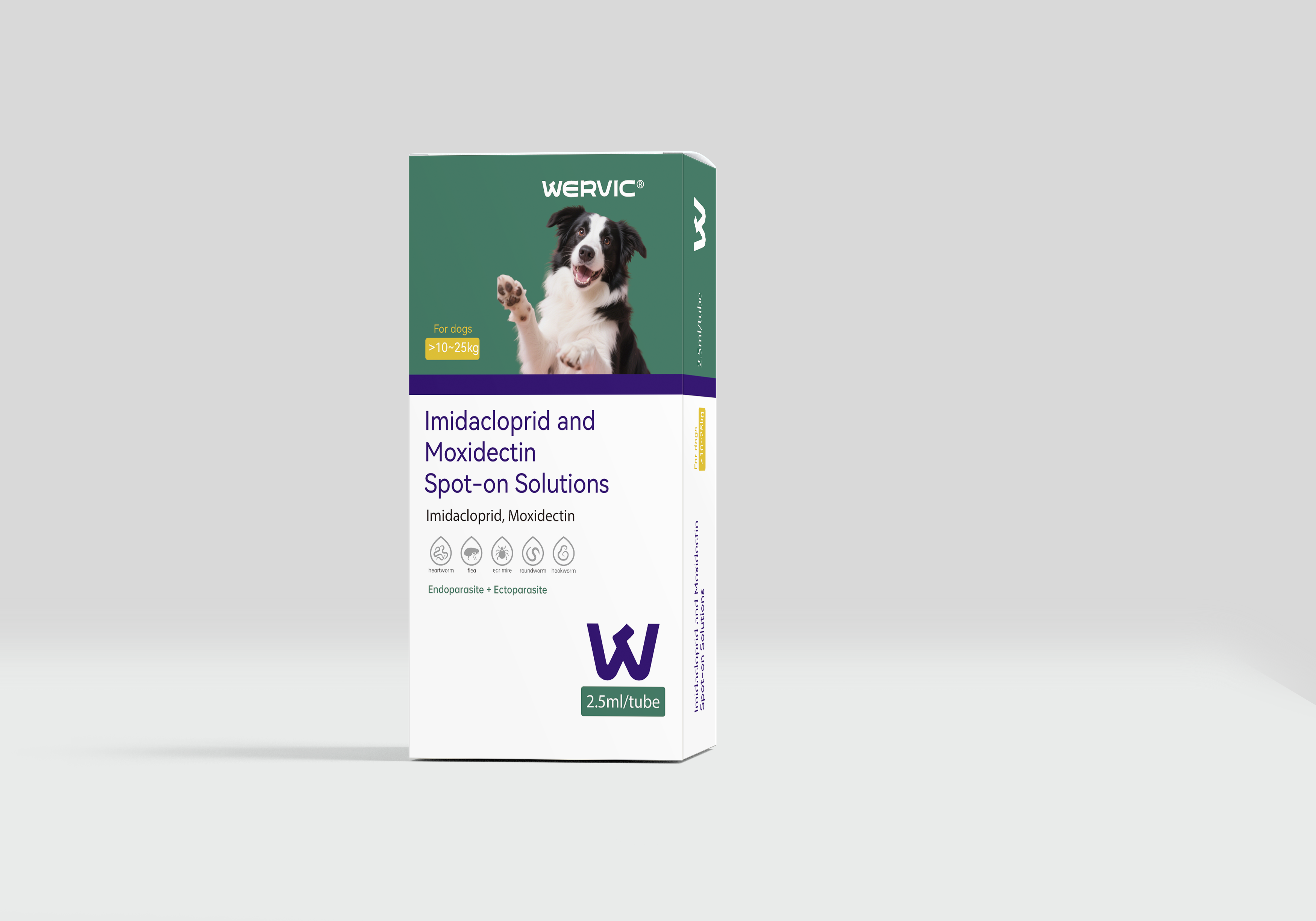
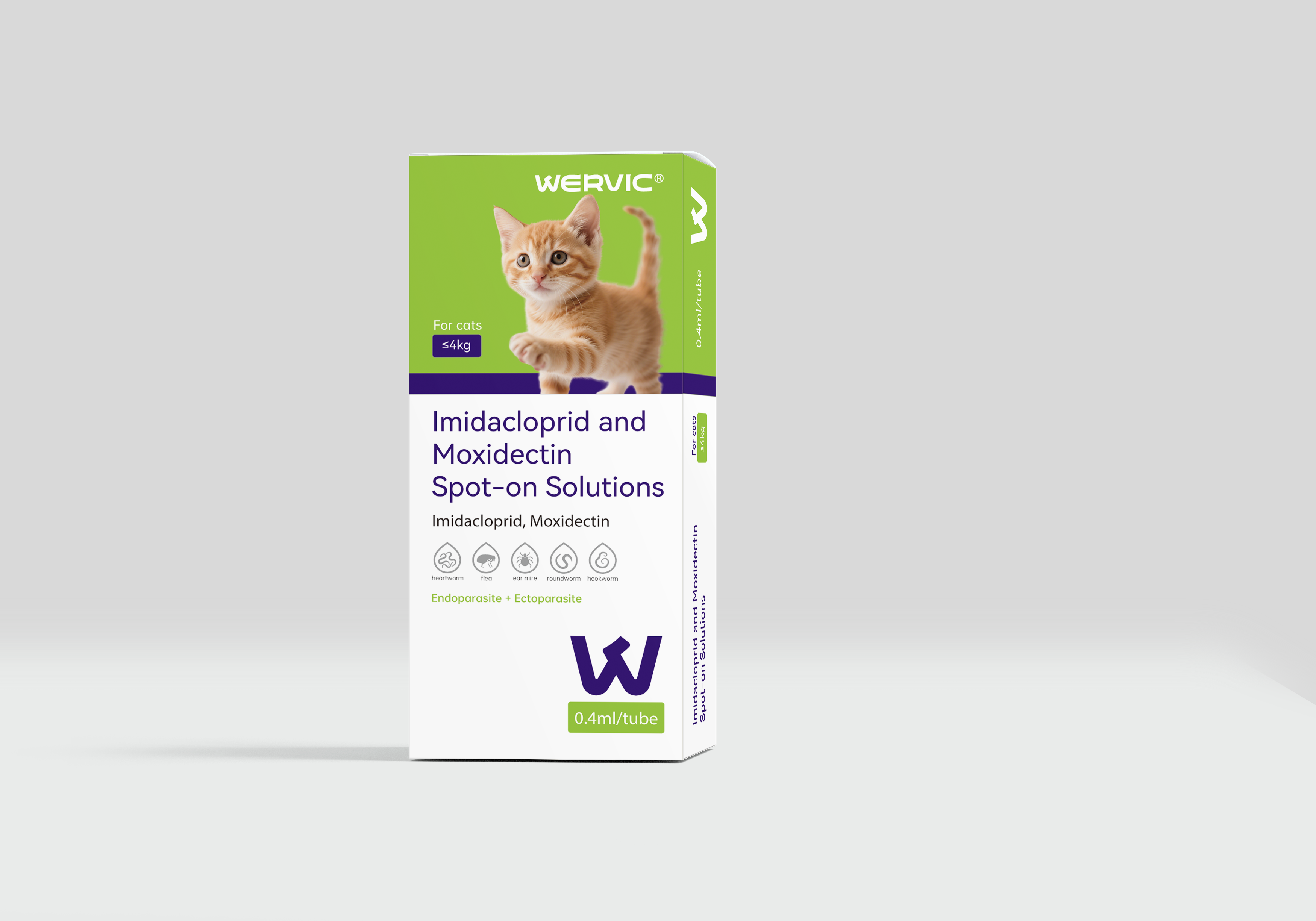
External deworming firstApply a broad-spectrum topical treatment to kill fleas, ticks, and mites.Wait 24 hours before bathing or handling excessively.
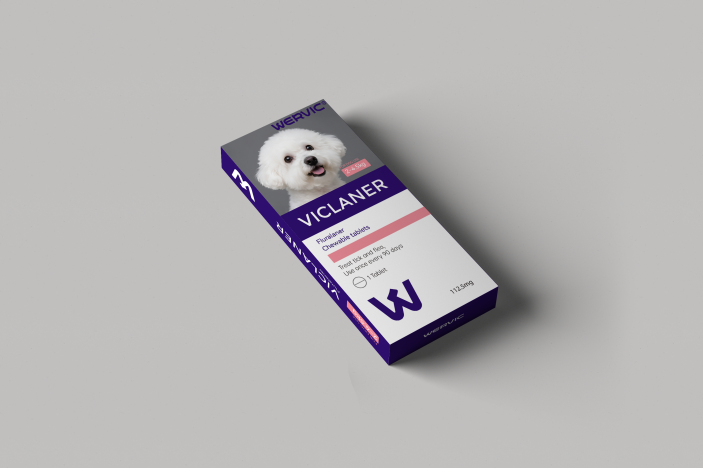
Internal deworming within 48 hoursUse a broad-spectrum oral dewormer targeting roundworms, hookworms, and tapeworms.Repeat after 10–14 days to eliminate newly hatched parasites.
Follow-up scheduleDeworm again at 30 days, then maintain a regular monthly schedule.For highly exposed strays, a third dose may be recommended.
Medication Selection Guide
Choose vet-approved, broad-spectrum pet-specific dewormers
Avoid cheap, unbranded, or universal livestock products
For weak or malnourished strays, select gentle, low-irritation formulas
If skin infections or anemia are present, consult a vet before deworming
At WERVIC, we design safe, gentle deworming solutions suitable for rescued pets. Proper, timely deworming protects both your new companion and your household.