Oct. 14, 2026
As autumn and winter arrive with plummeting temperatures and sharply reduced air humidity, combined with poor ventilation in heated indoor environments, pathogenic factors such as fungi, dust mites and dander accumulate heavily, leading to a dual peak of canine and feline skin diseases. Among them, ringworm (fungal dermatosis) and allergic dermatitis share similar symptoms. Many owners confuse the two and use medication blindly, leading to delayed or even worsened conditions. The WERVIC veterinary team explains their core differences and guides scientific targeted treatment and care.
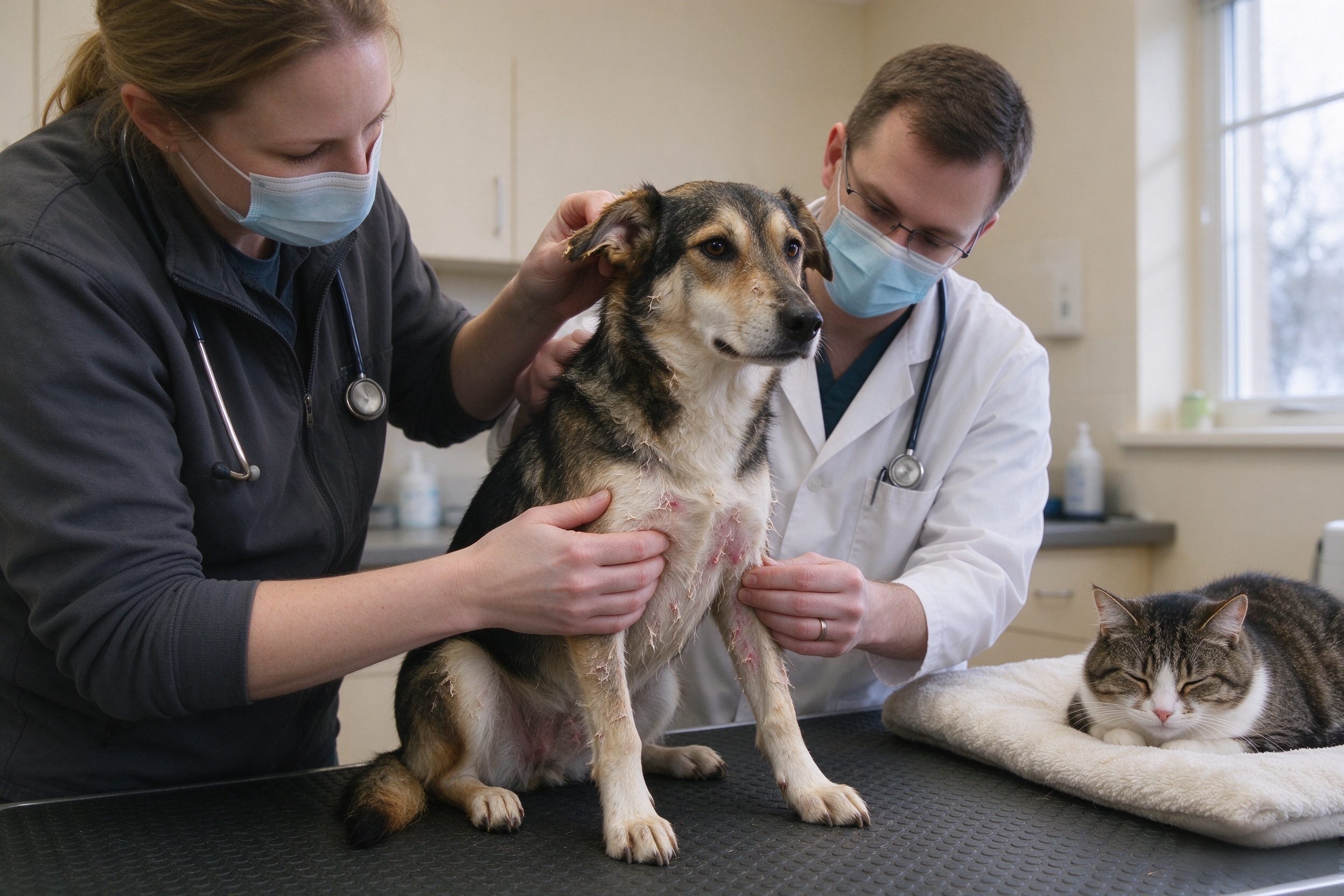
Ringworm is a fungal disease caused by dermatophyte infection. Typical symptoms include round or oval hair loss patches with clear borders, dandruff, crusts and itching. It is contagious and can spread between pets and even from pets to humans. The warm and humid microenvironment indoors in autumn and winter is ideal for fungal spore reproduction, significantly raising infection risk in multi-pet households. Targeted antifungal treatment is required: oral WERVIC Tinea Free Tablets, with terbinafine hydrochloride as the core ingredient, inhibit dermatophyte reproduction from the root and control deep infection; paired with topical WERVIC Tinea Free Spray applied directly to lesions to quickly relieve itching and control local spread. The oral + topical combination delivers faster effects and effectively reduces recurrence risk.
Allergic dermatitis is an immune-mediated skin problem triggered by allergens such as dust mites, mold spores and dry cold air. Typical symptoms include symmetrical redness, itching, dryness and flaking. It is not contagious, but repeated scratching can lead to secondary bacterial infection. Treatment requires both immune regulation and barrier repair: oral WERVIC AllergyShield Chews regulate the body’s immune response, reduce the intensity of allergic reactions, and relieve itching and inflammation from the root; paired with WERVIC FurGlow Max Chews, which supplement essential fatty acids to repair the skin lipid barrier, enhance skin moisture retention and external defense, and reduce allergen invasion.
If symptoms cannot be accurately distinguished, it is recommended to seek veterinary diagnosis first before targeted medication to avoid delaying the condition.