Dec. 31, 2025
Driven by the booming pet economy, China's pet pharmaceutical market is entering a period of large-scale growth.
Data shows that between 2020 and 2024, the market size of China's pet pharmaceuticals surged from 9.4 billion yuan to 21 billion yuan, with a compound annual growth rate (CAGR) of 22.2%. It is expected to exceed 35.4 billion yuan by 2029. Behind this growth lies two key factors: the continuous expansion of pet-owning populations and enhanced health awareness. In 2024, China had 124 million pets, and pet medical consumption accounted for 25.1% of the entire pet industry, with pharmaceutical consumption showing particularly robust growth.
Amid market prosperity, the industry structure is characterized by "import dominance with domestic catch-up."
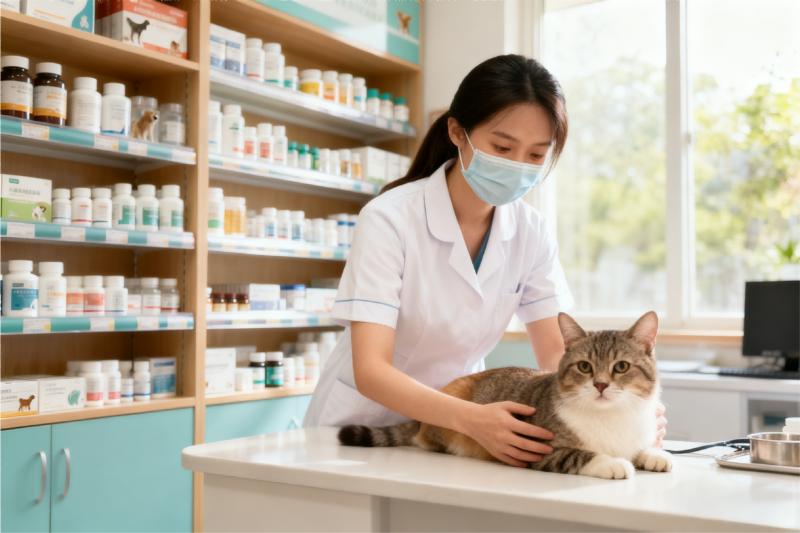
Currently, international animal health giants hold over 60% of the high-end market share in China. Companies such as Zoetis and Boehringer Ingelheim have formed monopolies in the fields of vaccines and anthelmintics. Notably, Zoetis' "Feline Distemper-Calici-Panleukopenia Vaccine" (Nobivac Tricat) has long dominated the feline trivalent vaccine market.
However, domestic substitution is accelerating. Among the 52 pet pharmaceuticals approved by the Ministry of Agriculture and Rural Affairs (MARA) in 2024, 59.6% were domestic products. Eleven domestic feline trivalent vaccines, including R&P Biologics' "Ruimiao Shu", have been launched successively, accounting for 78% of total issuances in Q2 2025.
Listed companies are also joining the sector. Enterprises such as Hansoh Pharmaceutical and Huadong Medicine have ventured into pet pharmaceuticals, leveraging their human drug R&D resources to reduce costs. For example, Hansoh Animal Health's pet business now accounts for over 50% of its total revenue.
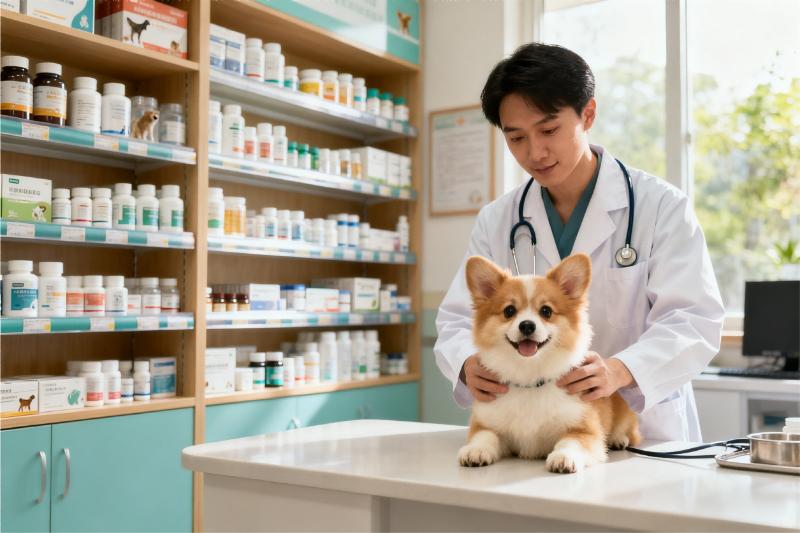
Policy dividends are providing strong impetus for industry development.
MARA issued the "Registration Data Requirements for Converting Human Chemical Drugs to Veterinary Use for Pets", which simplifies the drug conversion process and helps address clinical drug shortages. Meanwhile, MARA has continuously optimized veterinary drug approval services. By September 2025, there were 24,619 registered pet clinics nationwide, providing solid support for terminal drug sales.
Nevertheless, the industry still faces challenges:
Insiders note that with the upcoming pet aging wave, over 30 million pets will enter middle and old age in the next three years, which will drive sustained demand for chronic disease medications.
To seize this opportunity, domestic enterprises need to focus on three key areas: improving the quality of generic drugs, making breakthroughs in innovative drug development, and expanding distribution channels. By leveraging policy support and technological advantages, the industry is expected to shift from "scale growth" to "quality improvement" in the near future.