Aug. 13, 2026
As high temperatures continue into August, combined with the peak season of deworming and skin disease medication, pets’ livers face the dual burden of accelerated metabolism and increased detoxification load. The WERVIC veterinary nutrition team reminds that early liver damage has hidden symptoms, easily mistaken for "normal summer lethargy". Proactive nutritional intervention to reduce liver burden is a key part of summer-autumn transition care.
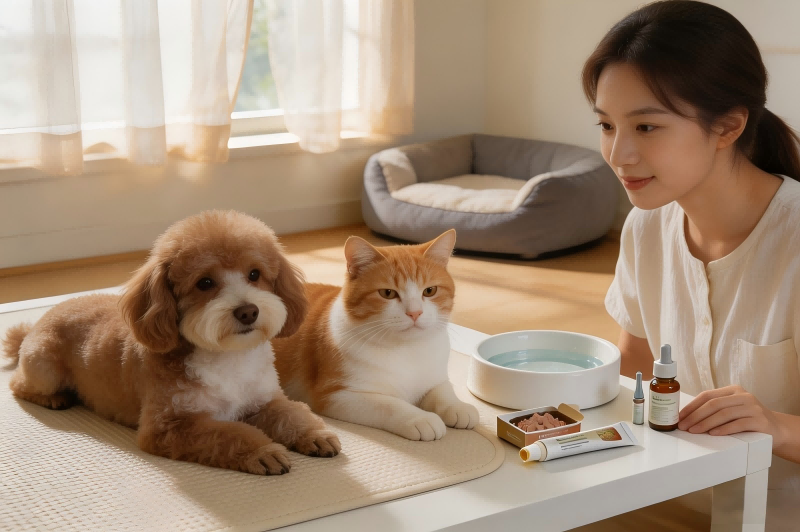
The dual pressure on the liver in summer has clear sources. First, high temperatures accelerate pets’ basal metabolic rate, generating large amounts of free radicals in the body that cause continuous oxidative damage to hepatocytes, and the excretion burden of metabolic waste also increases accordingly. Second, summer is the peak season for parasites and fungal skin diseases. The frequency of using topical dewormers, oral dewormers and skin treatment medications is significantly higher than in other seasons. All drugs are metabolized and detoxified by the liver, and frequent medication continuously increases the liver’s detoxification workload. In addition, food spoils easily in high temperatures, and intake of trace mycotoxins further increases liver load, with higher risk for senior, weak and long-term medicated pets.
Liver problems are highly. Early symptoms only include listlessness, reduced appetite and dull coat, which most owners mistake for normal reactions to hot weather. By the time obvious symptoms such as jaundice and abdominal distension appear, hepatocyte damage is often already severe.
Scientific liver protection requires both nutritional intervention and standardized care. Besides strictly following weight-based dosage and medication intervals, avoiding random combination of multiple drugs, and ensuring fresh and unspoiled food, targeted liver protection nutrition can be supplemented. WERVIC LiverGuard Chews are recommended: its core liver-protective active ingredients repair damaged hepatocytes, enhance liver detoxification and metabolic capacity, and reduce oxidative damage. Continuous feeding around the monthly deworming cycle helps the liver metabolize drug components and reduce drug burden; long-term daily feeding stabilizes liver function and improves the body’s overall detoxification ability.
If pets show persistent appetite loss, yellow mucous membranes or other abnormalities, seek veterinary examination of liver function promptly.